Antikontexty

Contraception
in Contexts

Research on the transformations of contraception, reproductive policy, and everyday practice in the twentieth century.

Questions We Ask

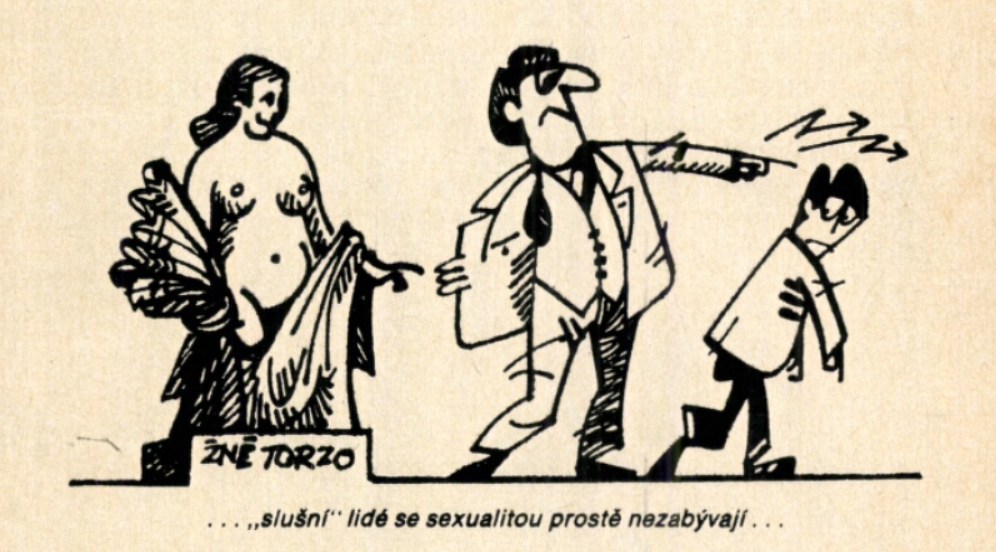
  • How was contraception discussed—and silenced—in Czechoslovakia?

  • Why did abortion remain a common practice even when contraception was available?

  • What role did physicians play in women’s decision-making?

  • How was contraception connected to state population policy?

  • What changed in approaches to contraception after 1989?

Timeline

Key historical milestones

1920

MP Luisa Landová-Štychová submits the first unsuccessful interwar proposal for the decriminalization of abortion.

1932

The first contraceptive association in Czechoslovakia, Zdravotní ochrana ženy (Health Protection of Women), is founded.

1956

Establishment of the first contraceptive counselling clinic in socialist Czechoslovakia.

1957

Enacted the Act on Artificial Termination of Pregnancy (No. 68/1957 Coll.), a fundamental turning point in reproductive policy.

1965

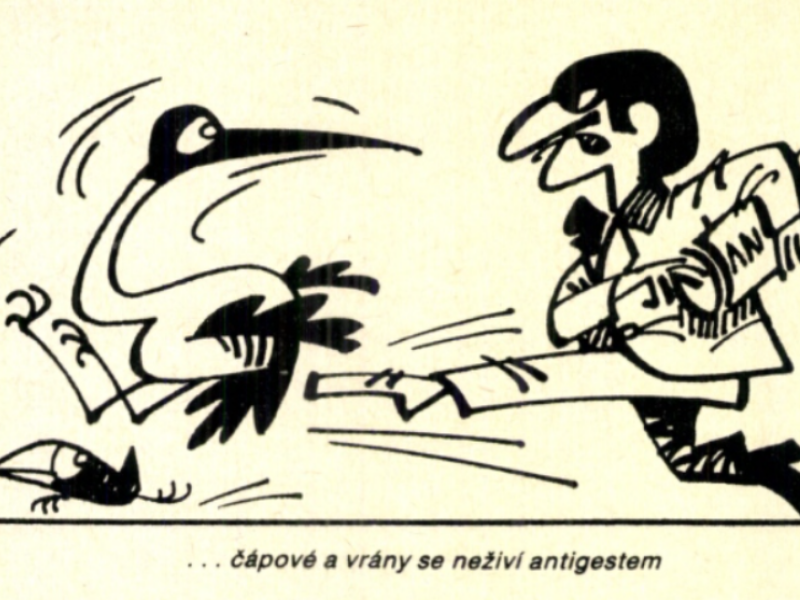
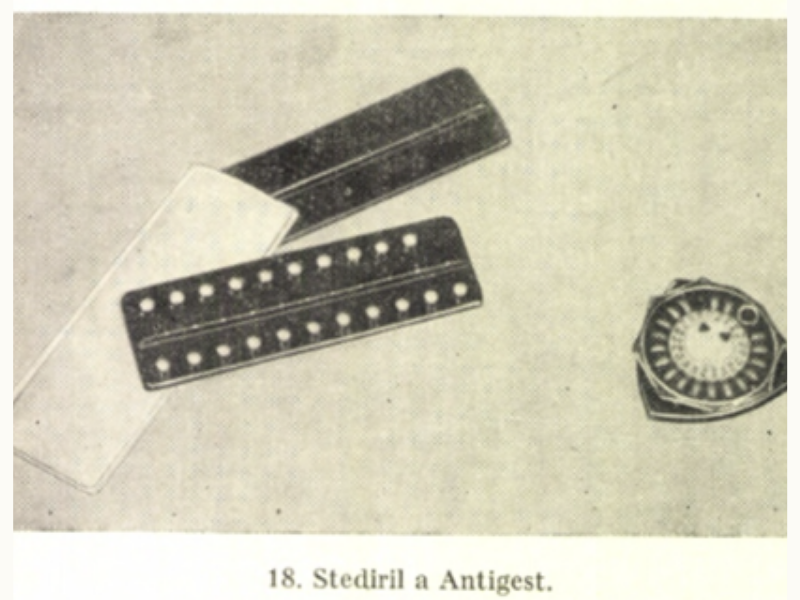
The first hormonal contraceptive pill, Antigest, was registered in Czechoslovakia.

1966

The Dana intrauterine device begins to be used in Czechoslovakia as a popular form of intrauterine contraception.

1986

Enacted the Act on Artificial Termination of Pregnancy (No. 66/1986 Coll.), abolishing abortion committees.

Interview: How Did Our Grandmothers Manage Contraception?

Take Part in the Research by Completing a Short Questionnaire

Questionnaire length: approx. 10 min.

As part of our historical research, we examine the reproductive behaviour of men and women in Czechoslovakia during the second half of the twentieth century, particularly from the 1950s to the 1990s.

We are interested in everyday experiences of family planning and contraception—what methods were available, how they were used, and what decisions people made in this area.

The questionnaire is intended for anyone who was of reproductive age during this period, roughly those born between 1930 and 1980. Your responses are fully anonymous and will be used exclusively for research purposes. Completing the questionnaire takes approximately 10 minutes.

If you are willing to share your experience in more detail beyond the brief questionnaire, we would be pleased to conduct a more in-depth interview with you. In the questionnaire, you may leave your contact details, and we will get in touch to arrange an in-person, telephone, or online interview.

O About Project

This website was created as part of the research project Controlled Reproduction: State Policy and Contraceptive Practices in Czechoslovakia from the 1950s to the 1990s (Czech Science Foundation, GAČR 26-21675S). The project is being carried out at the Institute of Historical Sciences, Faculty of Arts and Philosophy, University of Pardubice, in 2026–2028, and is funded by the Czech Science Foundation.

The project focuses on changing approaches to contraception in Czechoslovakia during the second half of the twentieth century. It examines how ideas about contraception were shaped in this period, what role the state played in its regulation and promotion, and what women’s experiences were with its everyday use.

The period under study encompasses major social and political changes—from the consolidation of the socialist regime in the 1950s, through the gradual introduction of modern contraceptive methods, to the post-1989 transformation. The project aims to contribute to a deeper understanding of how these changes shaped reproductive behaviour and the options available to individuals.

The project’s main outputs will include scholarly studies published in Czech and international journals, an international conference, and a synthetic monograph.

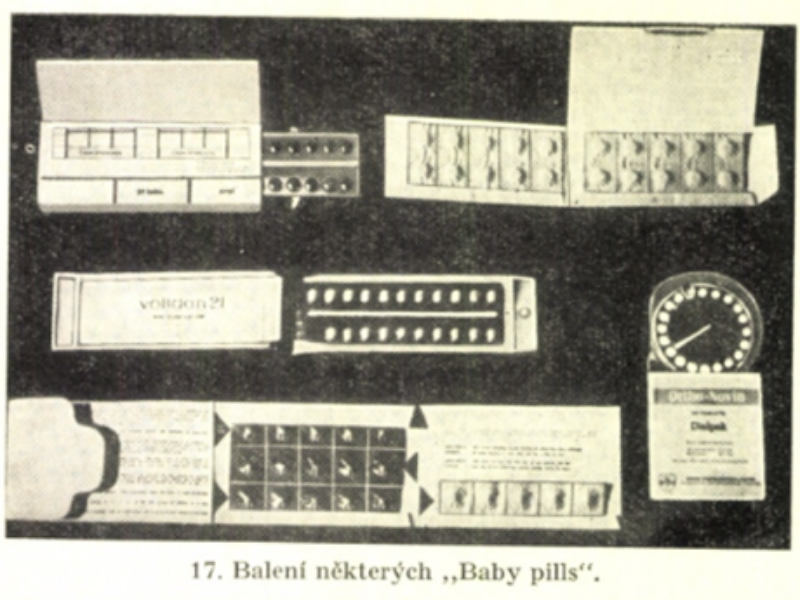
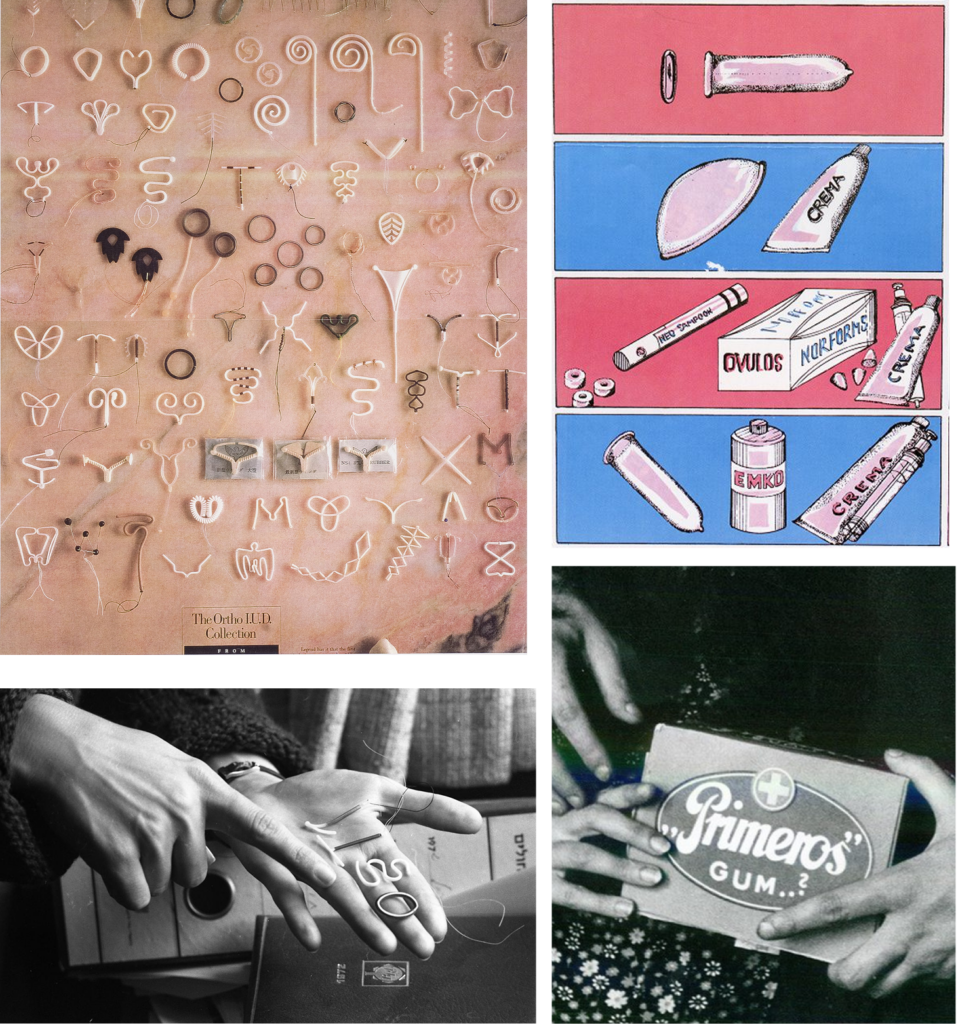
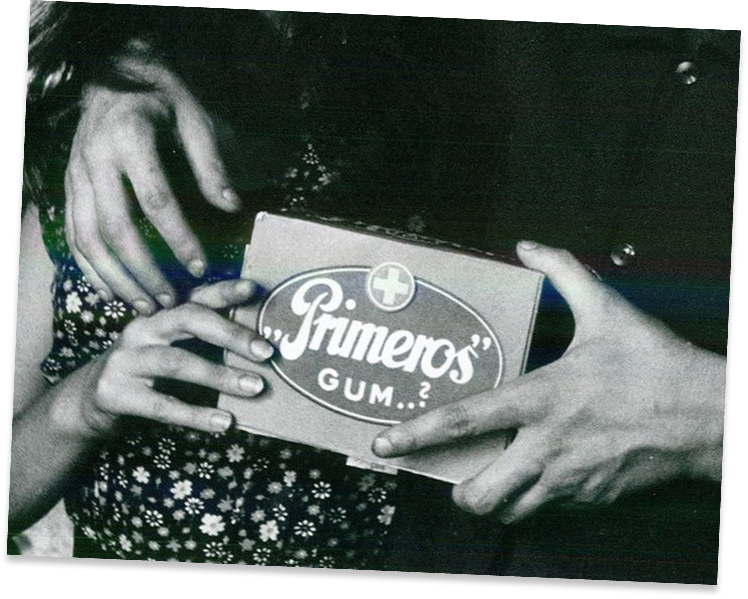
fotografický materiál k antikoncepci

Research Areas

The project approaches the history of contraception from several perspectives, which together highlight its historical complexity and social significance. It focuses not only on the development of expert knowledge and healthcare practice, but also on everyday experience, visual representations, the role of the state, and shifts in public debate.

Medicine and Healthcare

Everyday Life and Practice

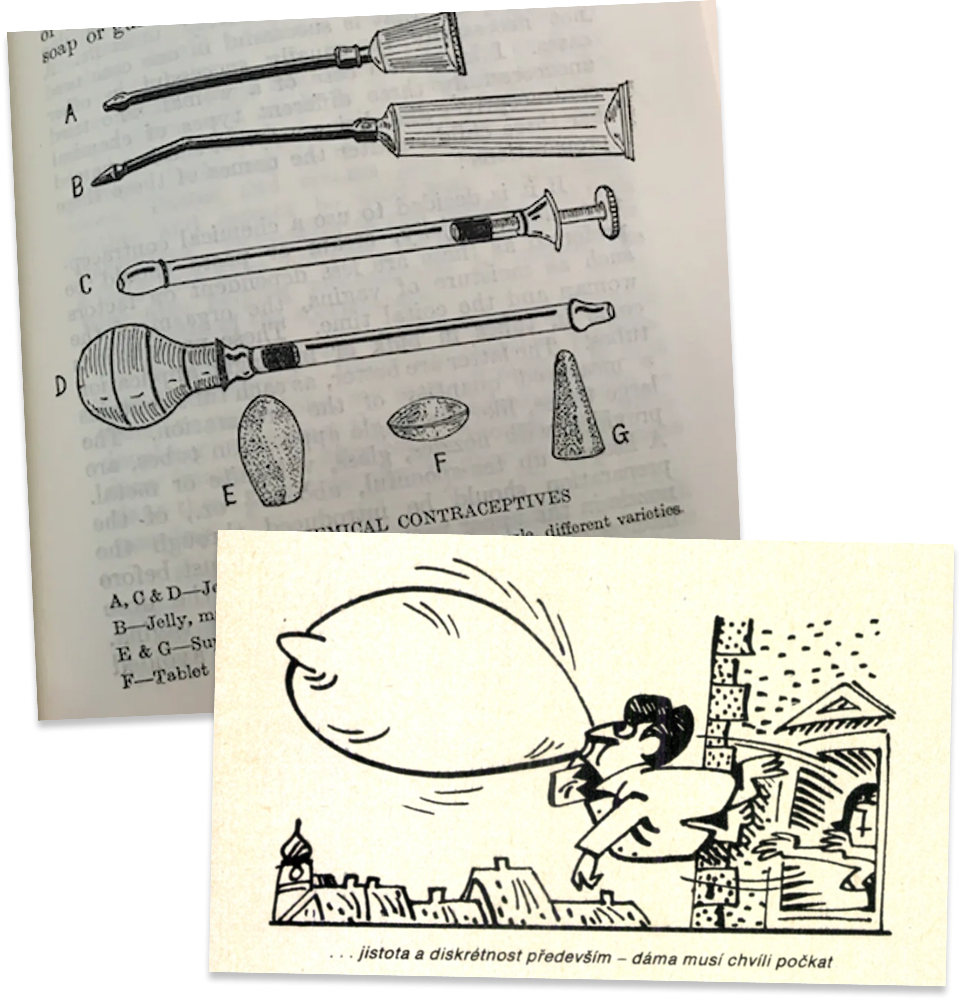
Visual Culture

Gender and the Politics of the Body

State Regulation

Public Debate

O About Project

Tato webová stránka vznikla jako součást výzkumného projektu Kontrolovaná reprodukce? Státní politika a antikoncepční praxe v Československu od 50. do 90. let 20. století (GAČR 26-21675S). Projekt je realizován na Ústavu historických věd Fakulty filozofické Univerzity Pardubice v letech 2026–2028 a je financován Grantovou agenturou České republiky.

The project focuses on changing approaches to contraception in Czechoslovakia during the second half of the twentieth century. It examines how ideas about contraception were shaped in this period, what role the state played in its regulation and promotion, and what women’s experiences were with its everyday use.

The period under study encompasses major social and political changes—from the consolidation of the socialist regime in the 1950s, through the gradual introduction of modern contraceptive methods, to the post-1989 transformation. The project aims to contribute to a deeper understanding of how these changes shaped reproductive behaviour and the options available to individuals.

The project’s main outputs will include scholarly studies published in Czech and international journals, an international conference, and a synthetic monograph.
News: Publications, Lectures, and Workshops

We present the ongoing results of our research through scholarly publications, conference papers, public lectures, and outreach events. We share insights into the history of contraception within the broader contexts of medicine, everyday life, and visual culture.

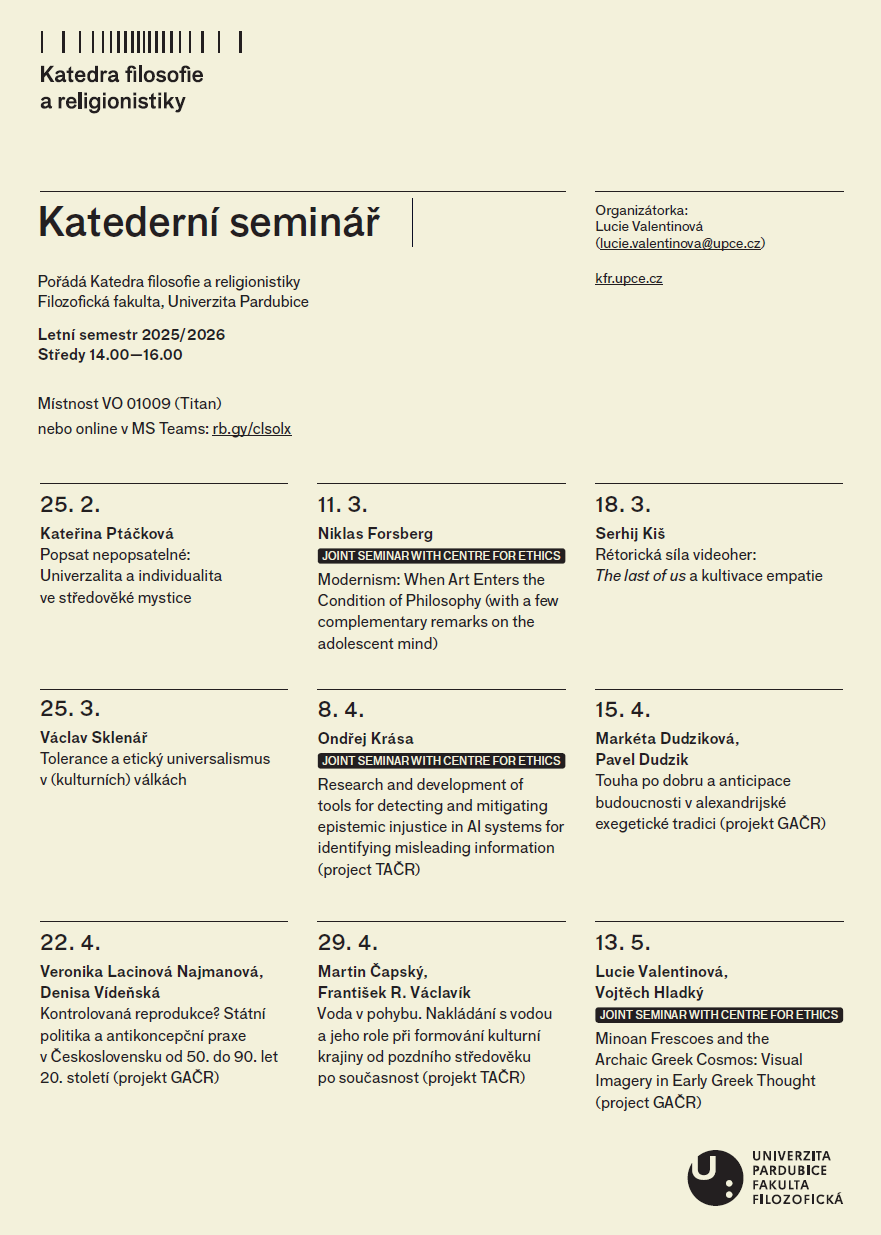
Seminář

Katederní seminář

Datum: 04/22/2026 2:00pm
Město: Pardubice
Zdroj:
Místo konání: Filozofická fakulta, Univerzita Pardubice
Kontrolovaná reprodukce? Státní politika a antikoncepční praxe v Československu od 50. do 90. let 20. století (projekt GAČR)
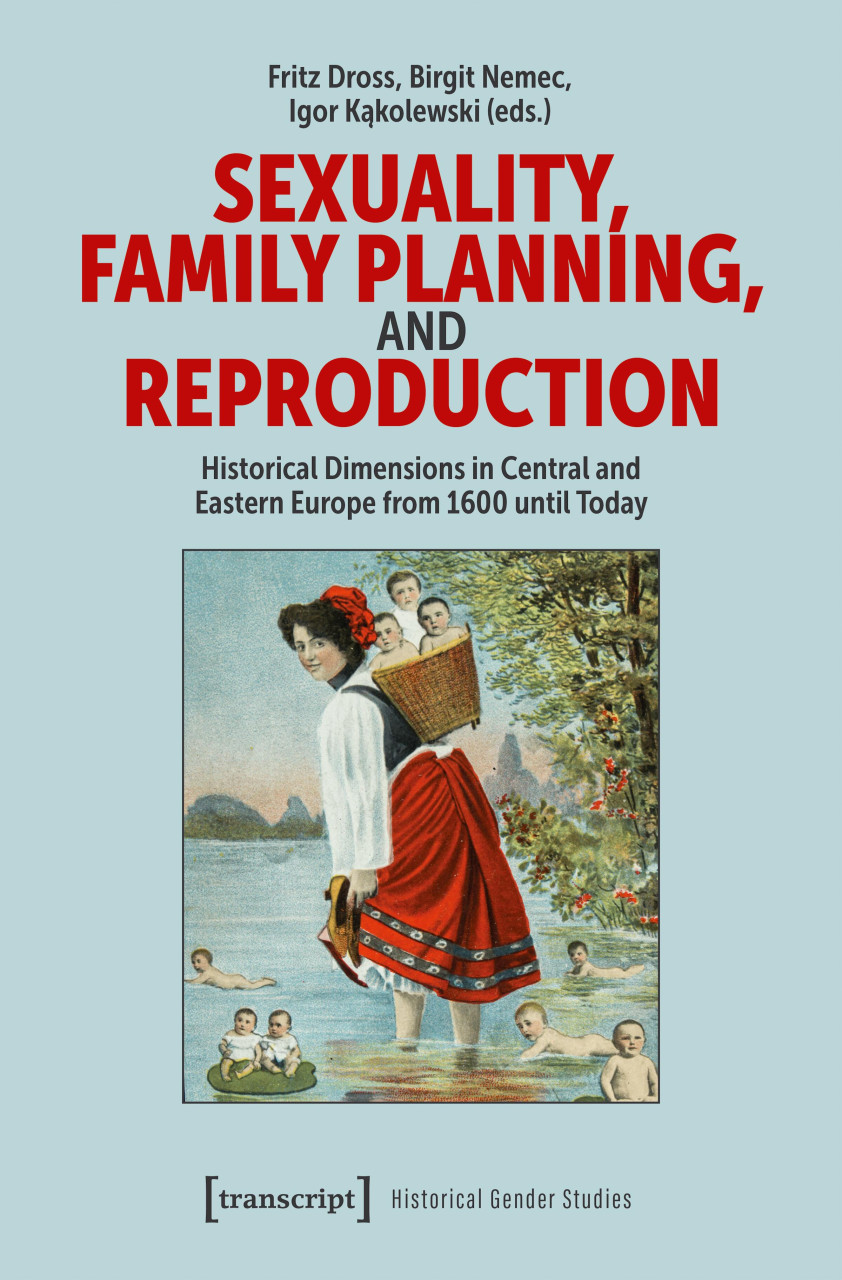
Studie

Sexuality, Family Planning and Reproduction

Datum:
Město:
Zdroj: Transcript
Místo konání:
Studii i celou knihu si můžete stáhnout na stránkách vydavatelství Transcript zdarma.

Project Team

Projektový tým výzkumu Kontrolovaná reprodukce, Univerzita Pardubice
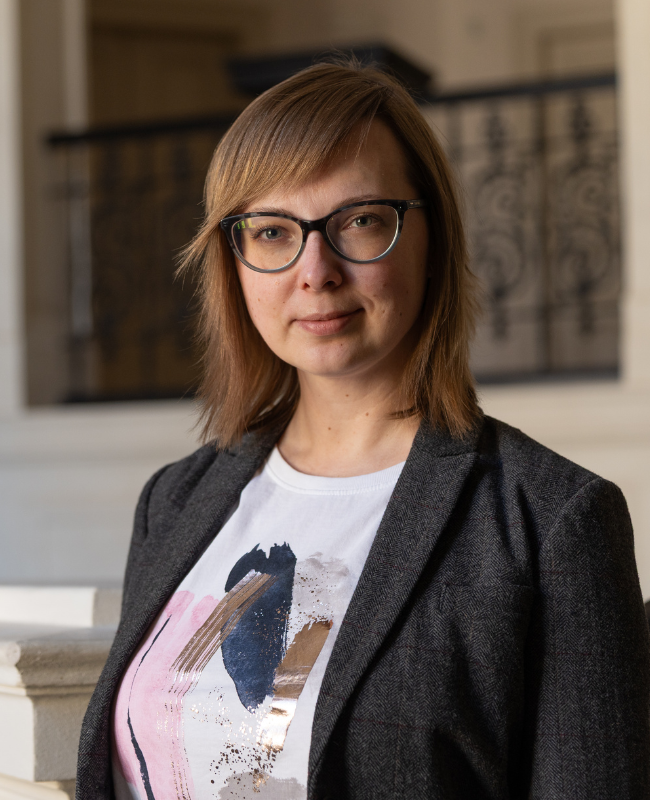
Veronika Najmanová Lacinová, hlavní řešitelka projektu Antikontexty

Veronika Lacinová Najmanová

Mgr. et Mgr. Veronika Lacinová Najmanová, Ph.D., is an Assistant Professor at the Institute of Historical Sciences, Faculty of Arts and Philosophy, University of Pardubice. Her research focuses on the social history of medicine, gender history, and the history of the body and embodiment, especially in the twentieth century.

She has long specialised in reproductive practices and contraception in the Czech lands, which she examines in their broader social and cultural contexts.

She is the author of a number of scholarly studies analysing debates on reproductive issues, the role of physicians in contraceptive discourse, and changing approaches to fertility regulation in Czechoslovakia.

Denisa Vídeňská, členka výzkumného týmu Antikontexty

Denisa Vídeňská

Mgr. Denisa Vídeňská, Ph.D., focuses in her research on gender and queer history, the history of sexuality and everyday life, as well as the history of childhood and aristocratic society in the nineteenth century.

Her long-term research has centred primarily on women’s homosexuality and queer experience in the Czech lands in the first half of the twentieth century, which she examines in broader social and cultural contexts.

She is the author of the monograph Little Aristocrats: Life in a Noble Family in the Nineteenth Century through the Eyes of a Child (2021), in which she analyses children’s everyday lives and upbringing in an aristocratic environment on the basis of personal sources, especially correspondence.

Martina Borovičková, členka výzkumného týmu Antikontexty

Martina Borovičková

Mgr. Martina Borovičková is a doctoral researcher at the Institute of Historical Sciences, Faculty of Arts and Philosophy, University of Pardubice. Her research focuses on the cultural history of the nineteenth century.

She has long worked with personal sources such as diaries, correspondence, and memoirs. She is co-author of the publication Confidential Pages: Images from the Nineteenth Century within Personal Writings (2015) and has also published an edition of the diary of Josef Bartoloměj Procházka.

She has participated in editorial and collaborative projects focusing on the history of everyday life and medicine, for example Midwife / Assistant: Midwifery Diaries from 1898–1954 (Pardubice, 2018).

She is currently affiliated with the Czech Pharmaceutical Museum in Kuks.

Kristýna Lenghart, členka výzkumného týmu Antikontexty

Kristýna Lenghart

Bc. Kristýna Lenghart is a second-year master’s student in the Gender History specialisation at the Institute of Historical Sciences, Faculty of Arts and Philosophy, University of Pardubice.

In her bachelor’s thesis, she examined the position of the parish cook in late medieval society and explored the social norms and expectations placed on these women.

As part of her master’s studies, Kristýna is researching marriage between 1970 and 2000 through a content analysis of marriage manuals, with the aim of mapping changes in the roles of men and women, the impact of the political regime on family norms, and changing views of sexuality.